Desert Dash: A Cactus Runner
Reviews
Description
Core Gameplay Loop
Desert Dash: A Cactus Runner presents a straightforward objective: guide your character as far as possible along a desert track. The primary challenge comes from colorful floating objects that drift into your path. Success depends on quick left or right movements to steer clear of these obstacles. Each successful dodge keeps the run going, while a collision causes the character to drop a carried item. To continue, players must pick up special glowing collectibles that appear on the ground. This simple risk-reward cycle forms the heart of the experience, encouraging repeated attempts to achieve a longer distance.
Visual Style and Atmosphere
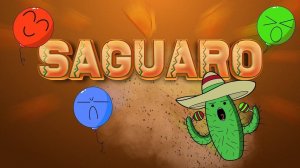
The game adopts a cheerful, cartoon-like visual approach. The desert environment is rendered in warm, bright colors with a clear sky and sandy ground. The character design is friendly and approachable, with a smiling face and small accessories that add personality. Floating obstacles are colorful and round, resembling party decorations rather than threatening objects. This visual direction ensures the game remains appropriate for all age groups, with no dark or intense imagery. The overall aesthetic supports the relaxed tone, making each session feel more like a pleasant stroll than a high-pressure race.
Control Scheme and Accessibility
Input methods are designed for immediate understanding. Players can use arrow keys on a keyboard, swipe gestures on a touchscreen, or mouse clicks to move the character sideways. There are no complex button combinations or timing-based mechanics to learn. This simplicity means that even young children or those unfamiliar with video games can start playing without instruction. The responsive controls also allow for precise movements when navigating between closely spaced obstacles. The game does not require fast reflexes or prior experience, lowering the barrier to entry for casual players.
Progression and Difficulty Curve
As the run continues, the pace gradually increases. Obstacles appear more frequently and in varied patterns, requiring sharper attention. However, the difficulty never spikes abruptly, allowing players to adapt naturally. The collectible items that restore lost accessories become more valuable as the run extends, since a single mistake can end a long session. This gradual ramp-up keeps the game engaging without causing frustration. There are no levels or stages to unlock, so the only measure of progress is the distance achieved in each attempt. This design choice reinforces the pick-up-and-play nature of the experience.
Sound Design and Audio Feedback
The audio complements the visual tone with light, upbeat background music that avoids being distracting. Sound effects accompany key actions: a soft chime when collecting an item, a gentle thud when an obstacle is hit, and a cheerful jingle when starting a new run. These audio cues provide clear feedback without being harsh or startling. The soundscape helps maintain a positive mood throughout play, even after multiple attempts. Players who prefer silence can easily mute the audio without affecting gameplay, as the visual cues are sufficient for navigation.








Comments
Sign in to comment
You must be logged in before posting a review or rating.
No account? Create one
No comments yet. Be the first to comment!