Steer Response Quick Drive
Reviews
Description
Core Gameplay Loop
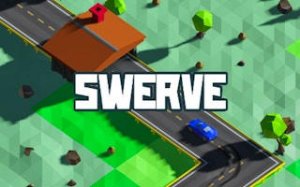
Steer Response Quick Drive strips driving games down to one essential action: steering at the correct moment. Players control a vehicle moving along a narrow, winding path. Instead of managing acceleration or braking, every input is a deliberate steer. The road bends unpredictably, and success depends entirely on reading the upcoming curve and reacting with precision. A mistimed input sends the car off the road, ending the run. This pure focus on timing creates a tense, rewarding experience where each attempt feels fresh.
Track Design and Difficulty Curve
The track is not a static layout but a procedurally generated sequence of curves that become increasingly sharp and frequent. Early sections offer gentle bends to help players learn the rhythm. As the run continues, corners tighten and appear with less warning, demanding quicker decision-making. The visual design remains clean and uncluttered, with the road clearly visible against a simple background. This minimalist approach ensures players concentrate entirely on the steering challenge without distractions.
Bonus Collection Strategy
Scattered along the track are collectible items that add a layer of risk-reward decision making. Grabbing these bonuses requires adjusting your steering slightly, which can throw off your timing for the next turn. Players must decide whether to go for the extra points or play it safe and maintain focus on the road. This mechanic encourages repeated playthroughs as players learn the optimal paths to maximize their score without crashing. The bonuses are visually distinct and placed in positions that test both reflexes and planning.
Score System and Replayability
The game tracks distance traveled and bonuses collected, combining them into a single score. There is no fixed endpoint; the run continues until a mistake is made. This open-ended structure turns each session into a personal challenge to beat previous records. The scoring system rewards both survival and risk-taking, giving players multiple ways to improve. Leaderboards or personal best tracking may be included, motivating players to refine their technique and compete against themselves or others.
Visual and Audio Design
The visual style is deliberately simple, using flat colors and clear shapes to keep the focus on gameplay. The car and track are easy to distinguish, and the background changes subtly to indicate progress. Sound effects provide immediate feedback for successful turns and bonus collection, reinforcing the timing-based mechanics. The audio is minimal but effective, with a gentle hum for the car and a distinct chime for bonuses. This restrained design supports the game's core appeal: a pure, uncluttered test of reflexes.









Comments
Sign in to comment
You must be logged in before posting a review or rating.
No account? Create one
No comments yet. Be the first to comment!